How to Prevent Multiple AI Coding Agents from Editing the Same Files
When several developers run AI coding agents on the same repo, two agents can rewrite the same file at once. Here's how teams coordinate edits before they collide — and the honest limits.
A team of developers, each running their own AI coding agent, is fast — right up until two agents refactor the same file at the same time. One overwrites the other's work, or you discover the collision at merge time and spend the afternoon untangling it.
You can't always prevent this with Git alone: by the time there's a conflicting commit, both agents have already done the work. The goal is to coordinate intent — before the edits happen.
Why this is different from a merge conflict
A merge conflict is detected after both sides changed the code. What you actually want is to know, before you start, that a teammate's agent is already rewriting the module you're about to touch. That's an intent problem, not a diff problem, so branch protection and CI don't solve it — they run too late.
Approaches teams use
Talk in Slack first. "I'm taking the payments client." Works with a small, synchronous team, but it relies on humans remembering to announce, and agents don't read your Slack.
Assign files to people up front. A spreadsheet or a CODEOWNERS-style split. Reduces overlap, but it's coarse and goes stale the moment work shifts.
Feature branches / worktrees. Isolation helps for parallel features, but two agents can still target the same file on different branches and collide at merge. Isolation delays the collision; it doesn't coordinate intent. Git's own workflow documentation is still the right foundation for review and integration — it simply operates at a different layer.
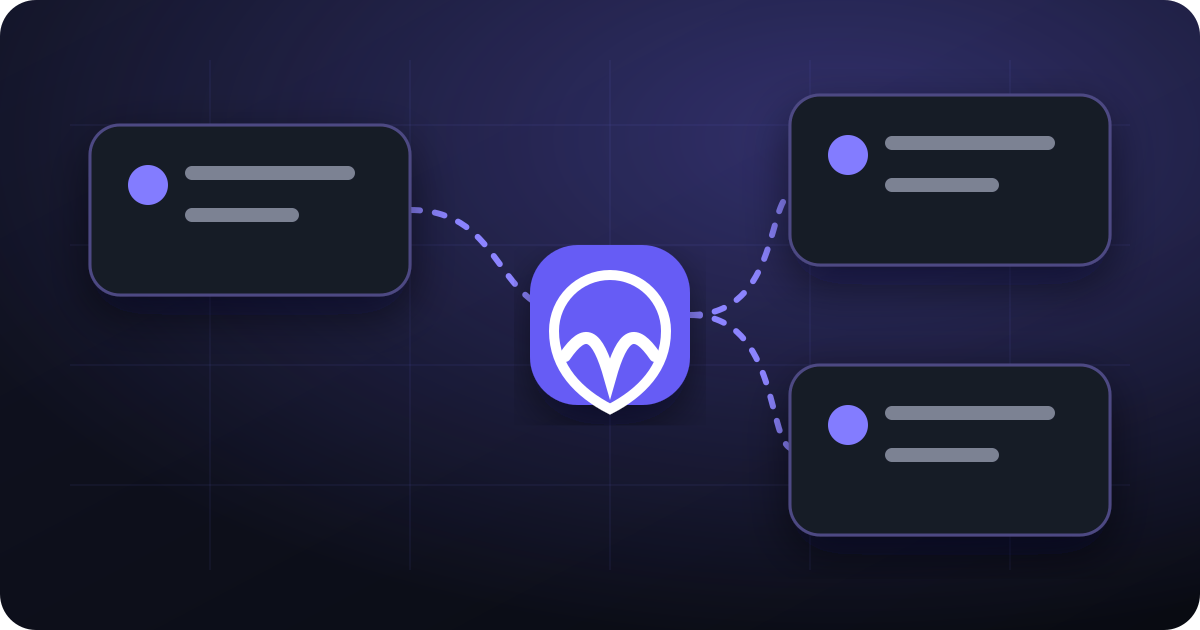
A shared claim/lease. Before editing, an agent announces intent on a shared store — "I'm working on src/payments/**." Another agent checks that store first and sees the path is taken. This is the only approach that coordinates before the edit, across people and machines.
Be honest about what a claim is
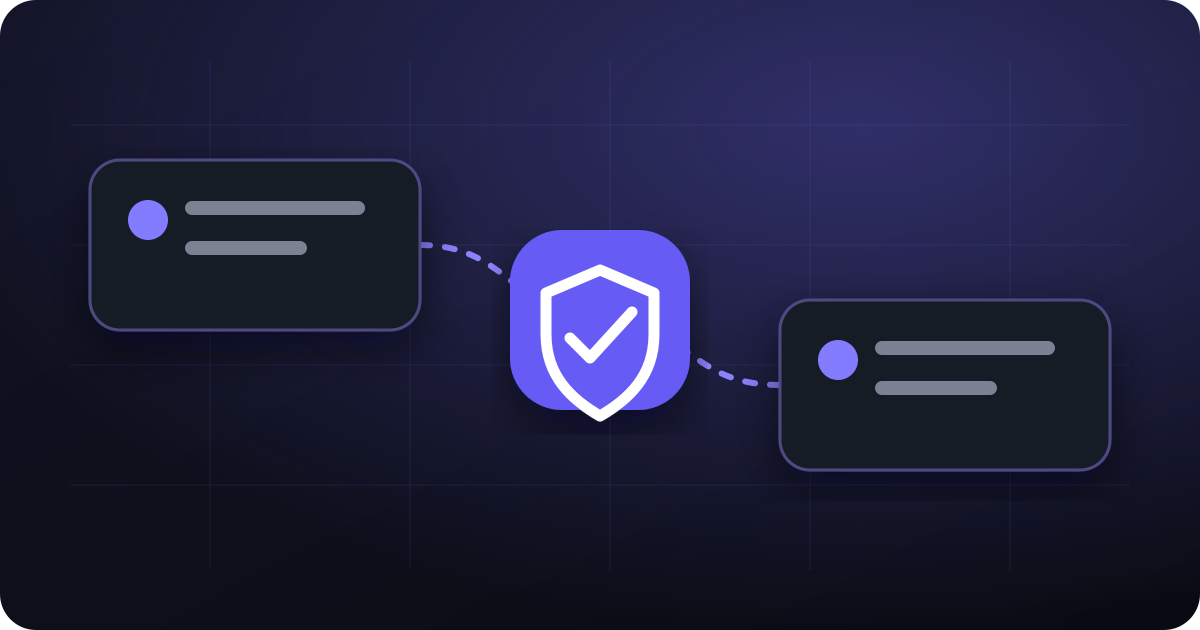
A claim is an advisory lock, not a hard lock. It's a shared signal that a path is spoken for, and well-behaved agents check it and stay out of the way. It does not physically prevent someone from editing the file, and it isn't a substitute for code review or branch protection. Any tool that promises literal "zero collisions" is overselling — the honest promise is fewer surprise collisions, caught before the work, when agents check first.
Used that way, advisory claims remove most same-file clobbering: the second agent sees the path is held, reports back instead of editing, and you coordinate or pick different work.
What this looks like with Vibsync
Vibsync gives agents this coordination layer over MCP. Before touching a path, an agent runs check_conflicts and claim:
You: "Refactor the payments client — claim it first." Agent: "claimcame back blocked — carol already holdssrc/payments/**. I didn't edit anything. Want me to coordinate, wait, or take an unclaimed task instead?"
The agent that would have collided finds out before writing a line, and nothing gets clobbered. Claims sit alongside durable team memory and a shared task board, so "who's on what" is one shared, live picture — not a Slack thread agents can't read.
To be clear about the boundary: Git remains the source of truth and your safety net (review, branch protection, CI). Vibsync's claims coordinate intent before the edit so those safety nets have less to catch.
If overlapping AI edits are costing your team time, try Vibsync free during beta — connect your agent at mcp.vibsync.com/mcp and have it claim a path before it starts.
Vibsync is built by LOOSEDAYS Co., Ltd.